Data center development

From land to compute.

We find the site, secure the power, build the data center and lease the capacity, with our partners, across North America, Europe, Central America and the Gulf.
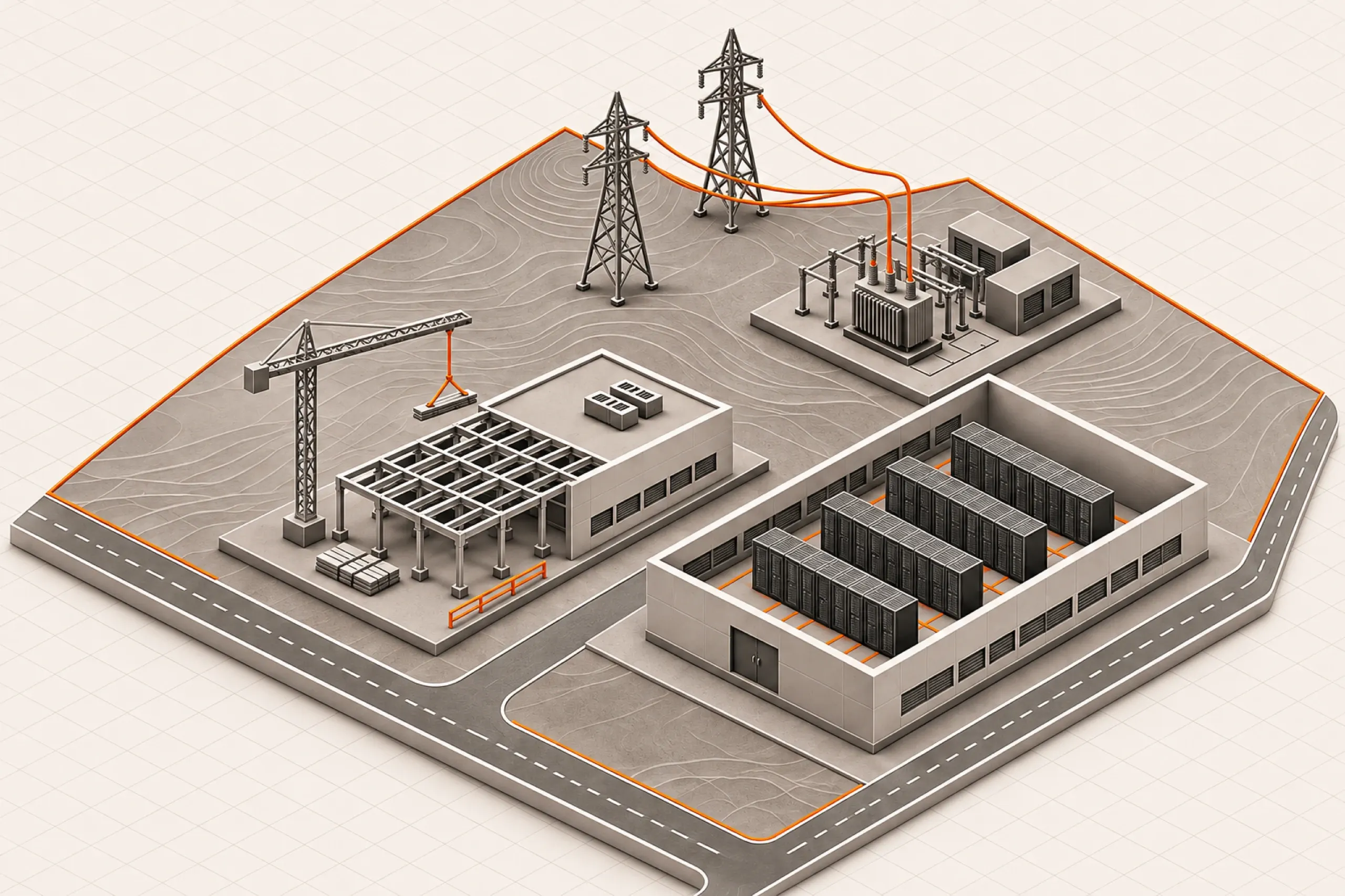
Isometric campus with land, a building under construction, power lines, a substation, and a data hall.
  1. Step 1. Site

    Land with a path to power
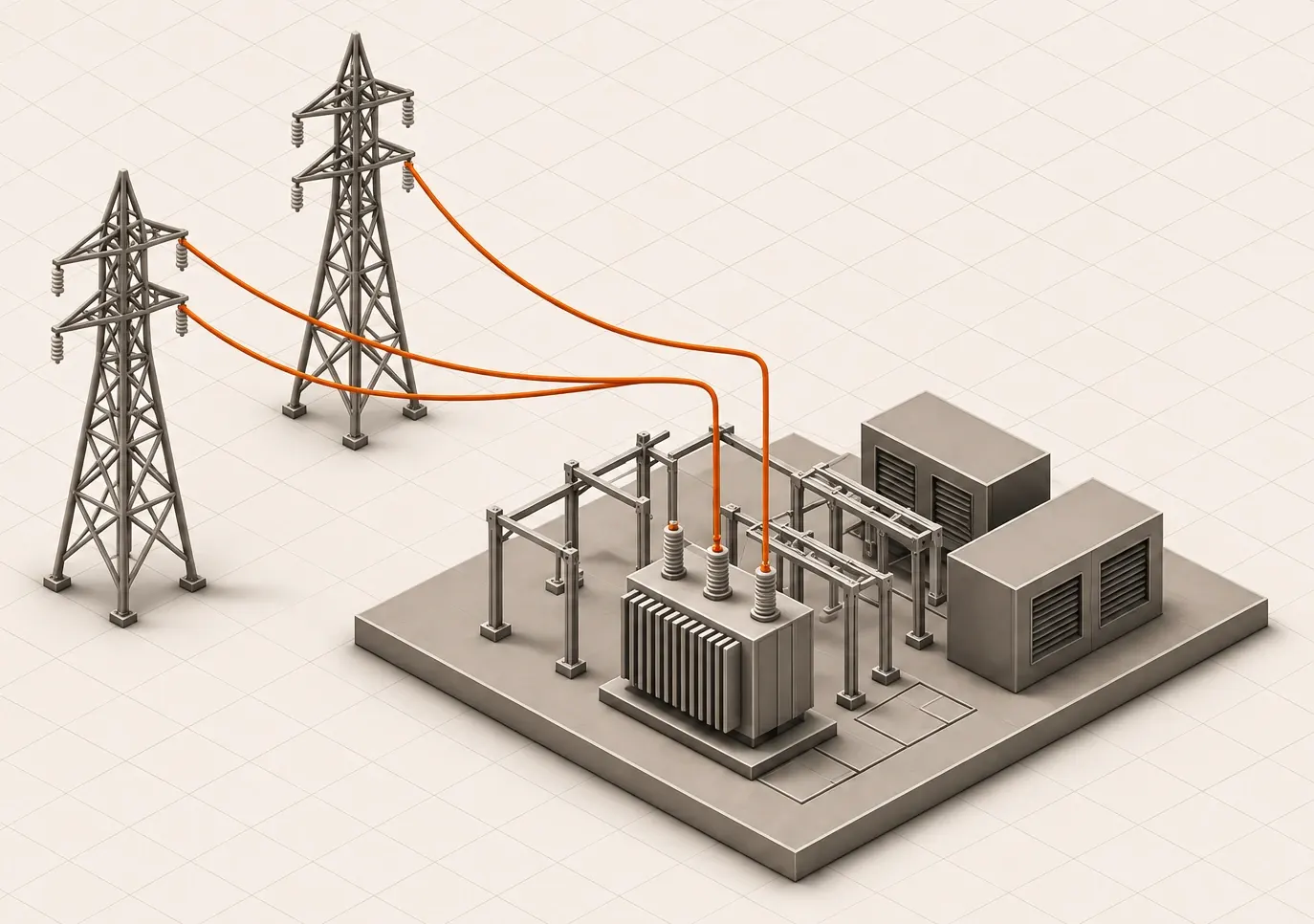
  2. Step 2. Power

    Grid connection or on-site generation
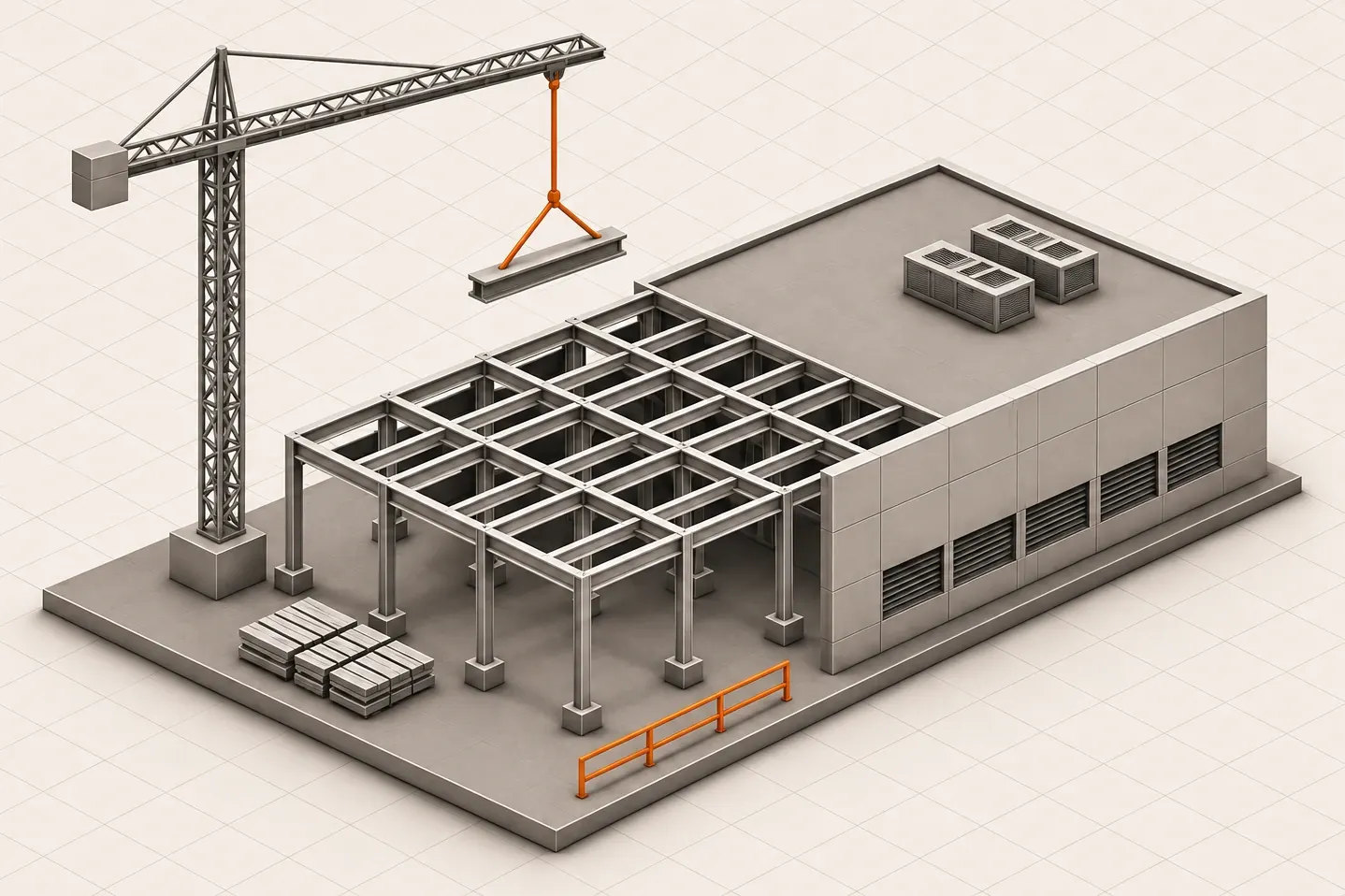
  3. Step 3. Build

    Design and construction with partner operators
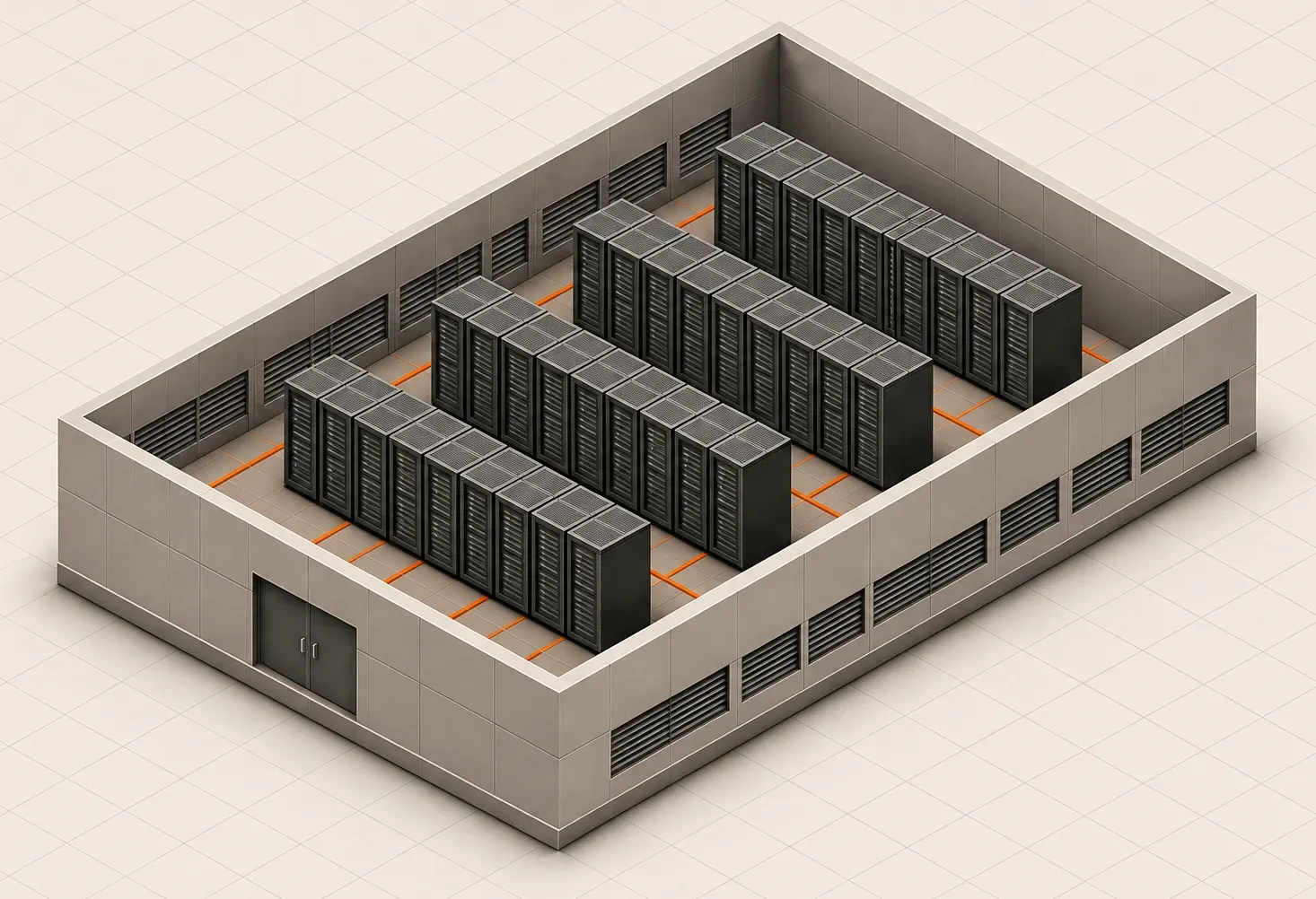
  4. Step 4. Compute

    Capacity sold to AI and cloud tenants

One team and a network of partners for the whole chain.

Power first, land second. We start from where power can be delivered, and a site moves forward only when that power is real.

Land sourcing

Sites where power, fiber, zoning, water and local labor can support a data center.

Power and grid access

Grid interconnection, utility supply, and behind-the-meter gas where the grid will not arrive in time.
Permits and development

Municipalities, utilities and regulators, from a parcel to a site that can be built.

Design and construction

Data halls, electrical yards and on-site power, with partner operators.
Capital

Investors in the UAE and the Gulf who want exposure to power, land and compute.

Capacity and compute sales

Powered land, powered shells and long term capacity for AI and cloud tenants.

Next step

Have land or power? Let's talk.

A site, a grid position, generation, or capital. Send a short note.

Tell us what you have

Twelve stages from land to compute.

Select a stage to see what is done, who is involved, and how long it tends to take.

Swipe

01

Site

A first look at land that could hold a data center. Size, access, zoning, water, fiber, and whether power is even plausible.

Typical duration 2 to 6 weeks

Key work

  • Screen parcels for size, shape and access
  • Check zoning and the path to a data center use
  • Note fiber routes, water and local labor
  • Set aside sites with no credible power path

Who is involved

  • Landowners and brokers
  • Our site team

Stage result

A short list of sites worth a power screen

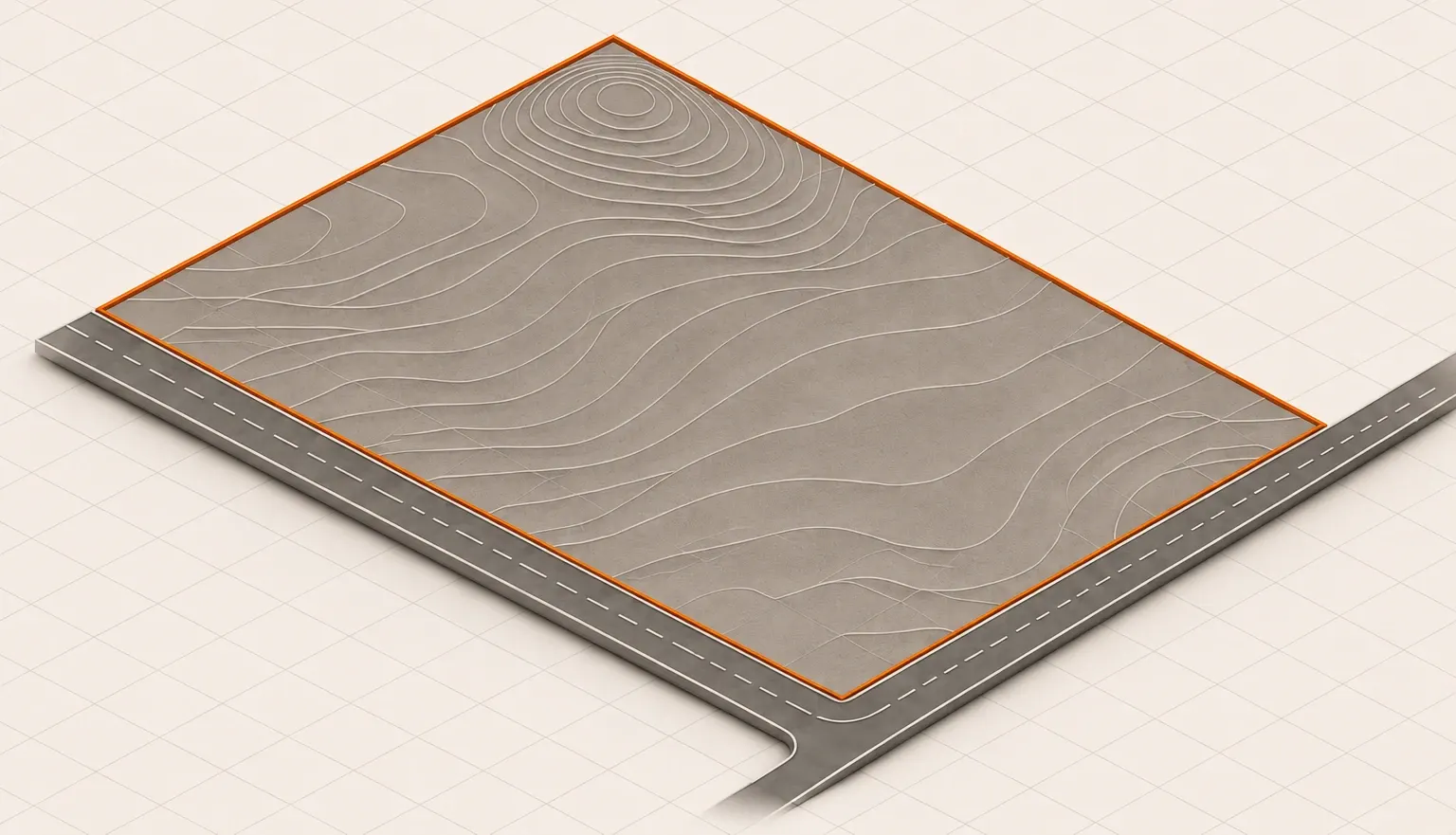
An outlined parcel of land beside a road.

02

Power screen

Before anyone spends time controlling the land, we check whether power can show up. Substations, the queue, a gas line, existing generation.

Typical duration 2 to 6 weeks

Key work

  • Map nearby substations and voltage
  • Read the interconnection queue
  • Check gas pipeline proximity for behind-the-meter generation
  • Estimate the load the site could support

Who is involved

  • Utility or grid operator
  • Our power team

Stage result

A yes, a no, or a conditional path to power
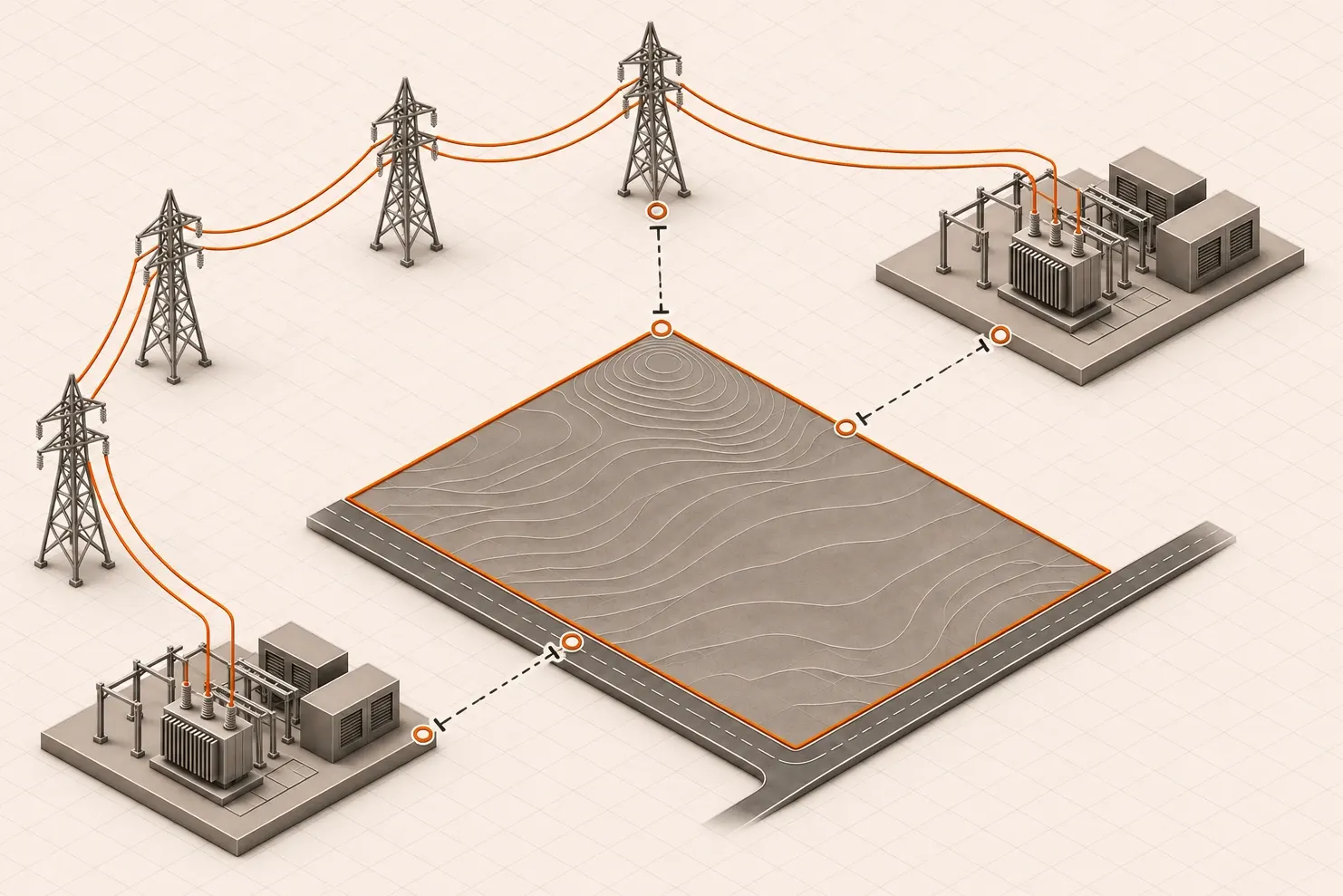
A land parcel linked by dashed lines to transmission towers and two substations.

03

Power strategy

The stage that decides whether a project moves. We compare grid power, behind-the-meter gas and utility terms, and choose the path with the lowest risk to megawatts.

Typical duration 1 to 3 months

Key work

  • Interconnection study and queue position
  • Behind-the-meter gas generation option
  • Utility tariff and rate structure
  • Power purchase pathway

Who is involved

  • Utility or grid operator
  • Independent power producer
  • Our power team

Stage result

A power route with timeline and cost

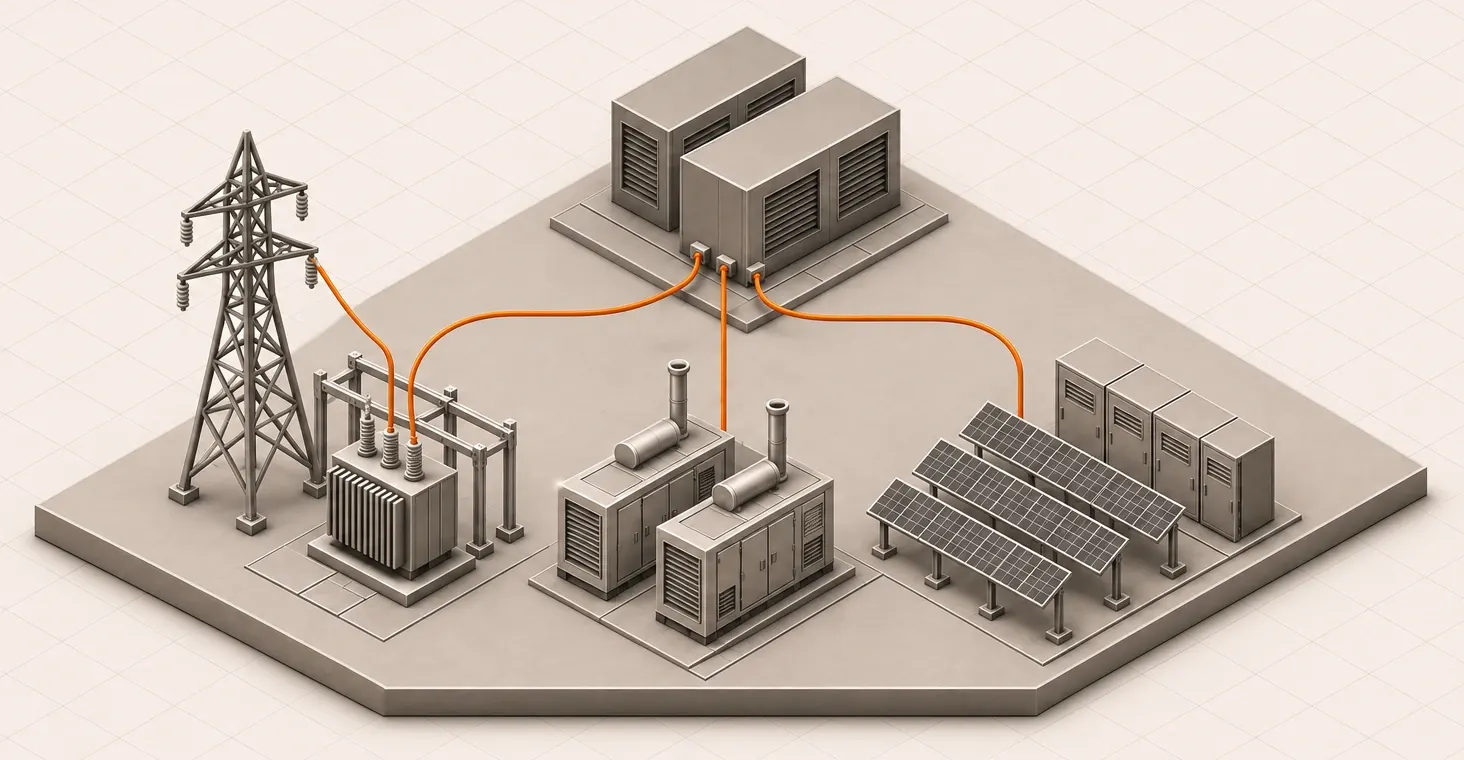
A substation, generators, solar arrays, and equipment cabinets joined by power lines.

04

Land control

Once power looks real, we secure the land. An option, a lease or a purchase, sized to the power we can actually use.

Typical duration 1 to 3 months

Key work

  • Agree price and structure with the landowner
  • Option, lease or purchase the parcel
  • Confirm access, easements and title
  • Align the land area with the power plan

Who is involved

  • Landowner
  • Counsel
  • Our site team

Stage result

The site under control, on terms that match the power plan
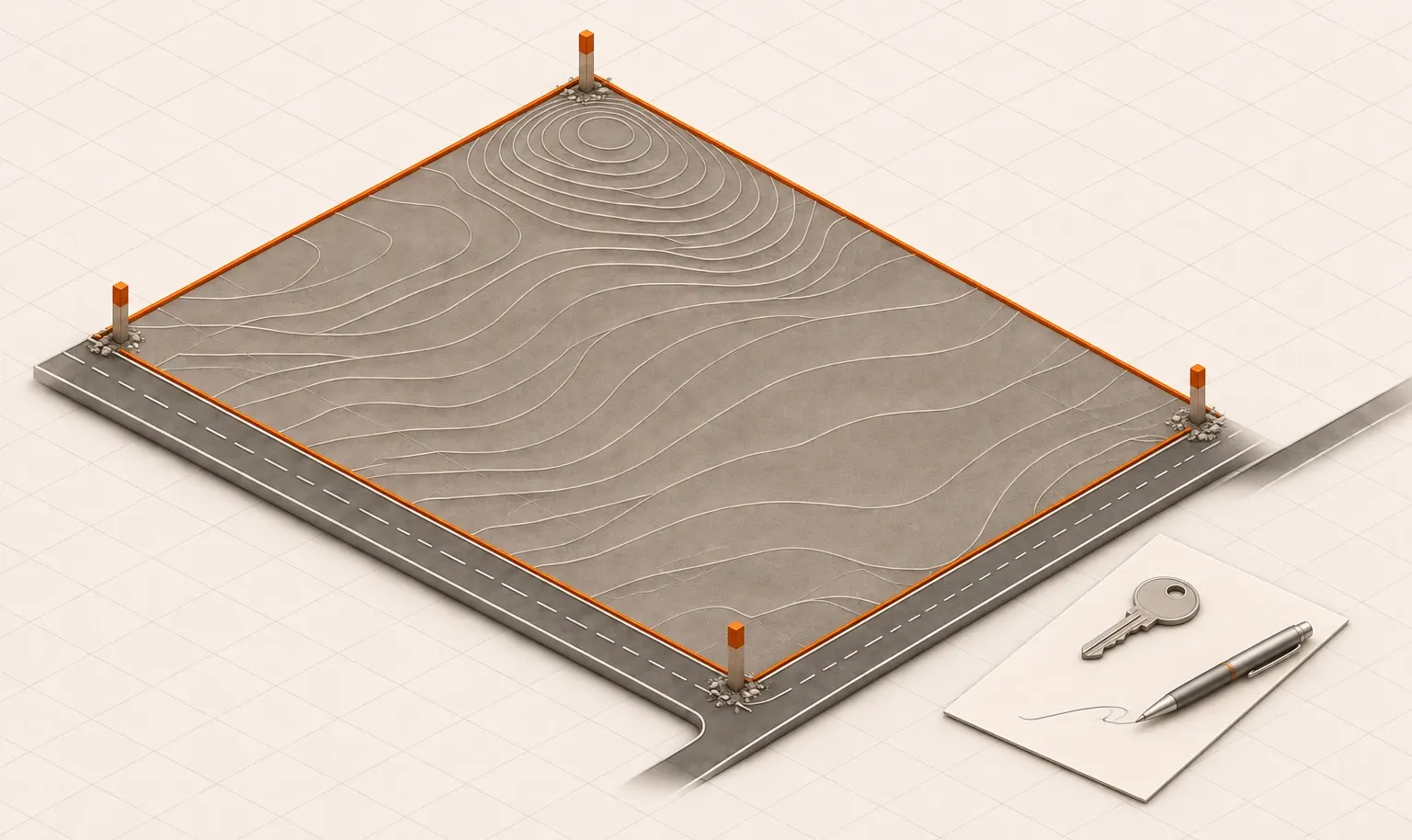
A surveyed parcel with corner markers, beside a signed page, a key, and a pen.

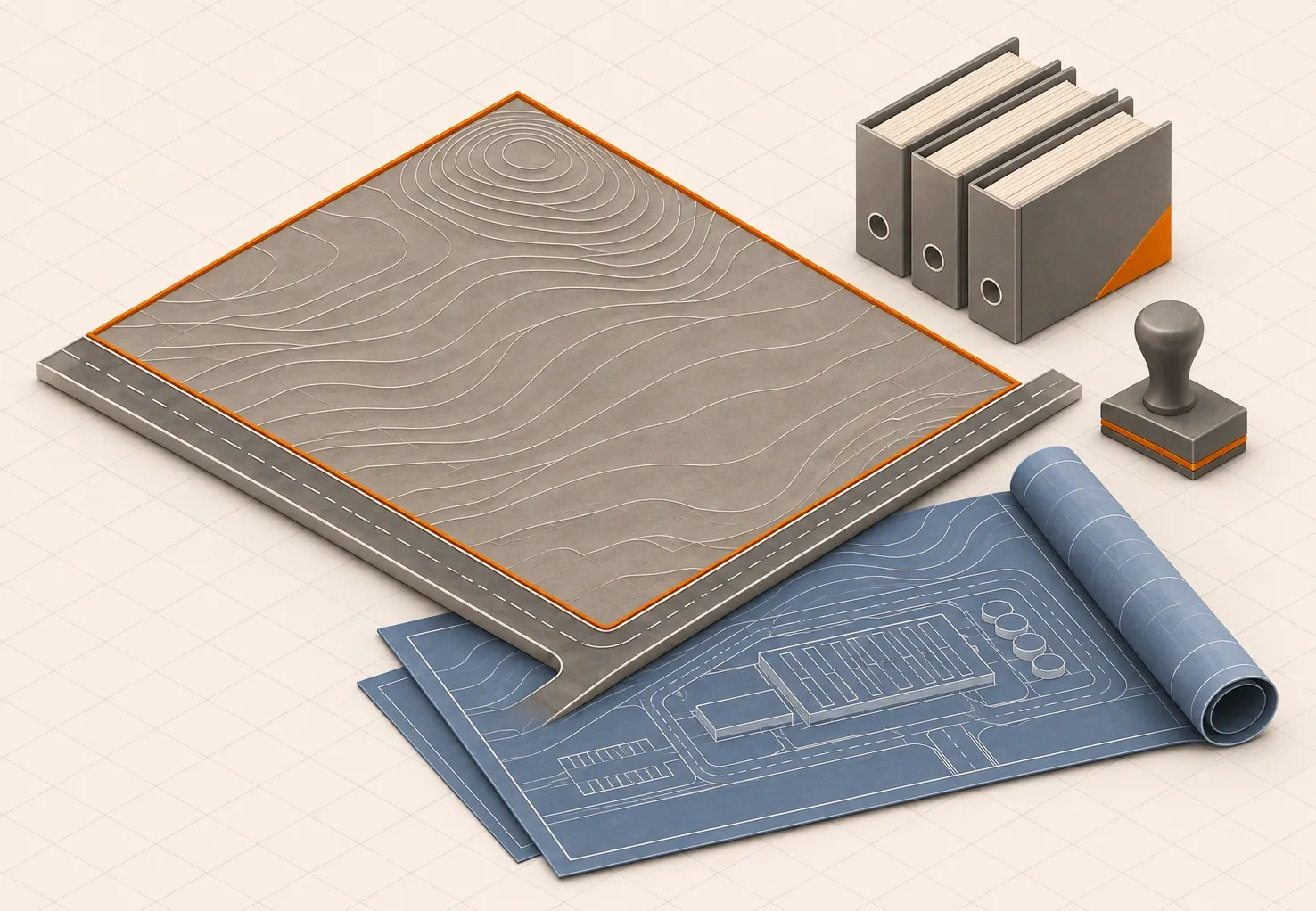
05

Permits

Zoning, environmental review, and the permits a data center and any on-site generation need before construction.

Typical duration 3 to 12 months

Key work

  • Zoning and land use applications
  • Environmental and water reviews
  • Building and electrical permits
  • Generation permits where the power is on site

Who is involved

  • Municipality and regulators
  • Permit counsel
  • Our development team

Stage result

A permitted project that can move into design

A site plan, rolled blueprints, file binders, and a stamp next to an outlined parcel.

06

Grid or gas

The chosen power route becomes an application. A grid interconnection, or a behind-the-meter gas plant with its fuel and permits.

Typical duration 3 to 18 months

Key work

  • File and advance the interconnection, or the gas plant
  • Secure fuel supply where generation is on site
  • Order the equipment that sets the timeline
  • Keep the route matched to the tenant load

Who is involved

  • Utility or grid operator
  • Gas supplier or independent power producer
  • Our power team

Stage result

A power path in process, with a date we can stand behind

A substation with a transformer, transmission towers, and power lines.

07

Design

The building, the electrical yard and the cooling, drawn to the power we have and the tenant we expect.

Typical duration 2 to 4 months

Key work

  • Data hall and shell layout
  • Electrical one-line and yard design
  • Cooling and water strategy
  • On-site generation design, if that is the route

Who is involved

  • Design partners
  • Our project team

Stage result

A buildable design tied to the power route
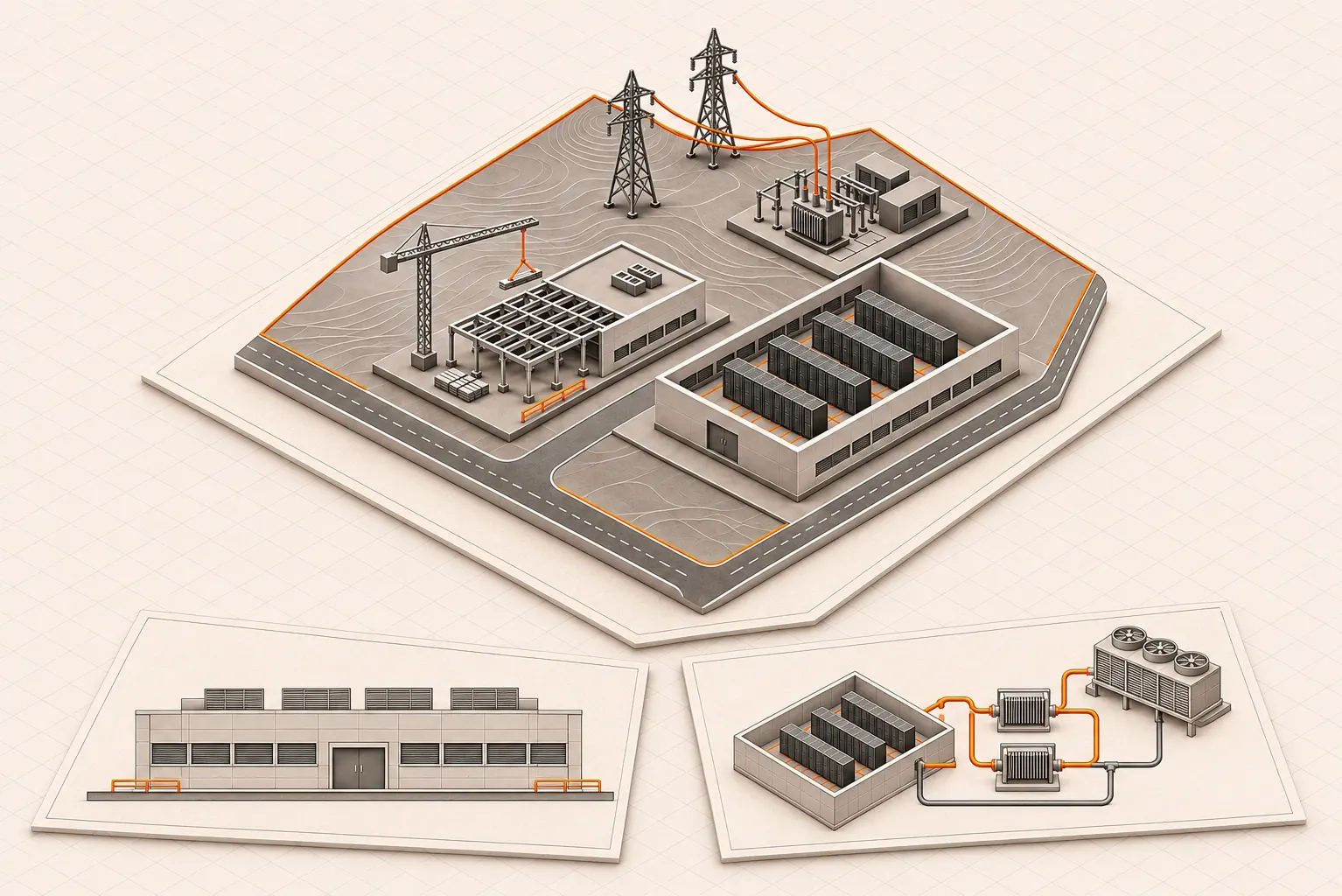
A campus plan above drawings of a building elevation and a cooling layout.

08

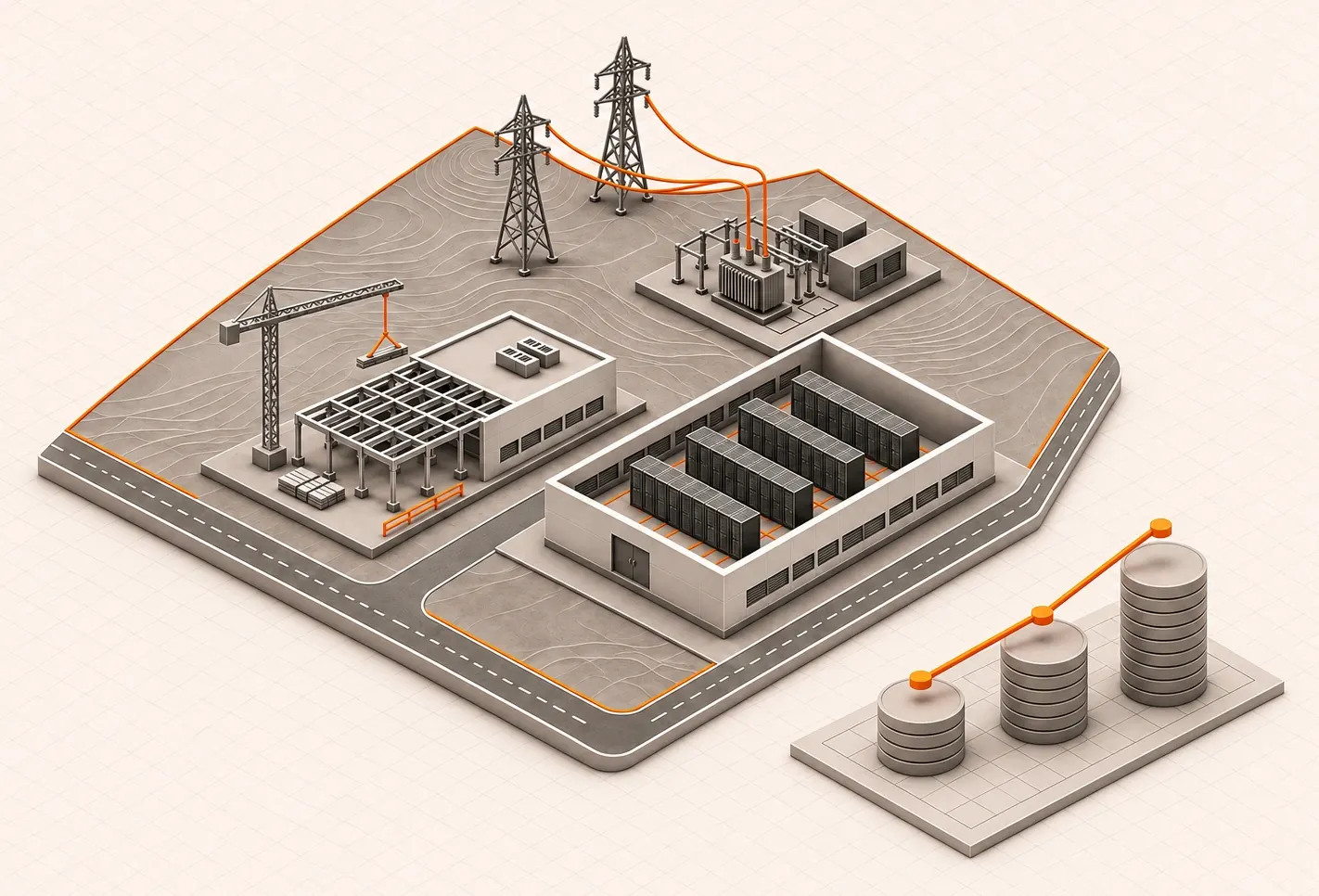
Capital

The project is structured so investors can fund land, power and construction, and see how capacity will be sold.

Typical duration 2 to 6 months

Key work

  • Project budget and uses of funds
  • Investor terms for land, power and the build
  • How lease income supports the structure
  • Alignment with capital from the Gulf and elsewhere

Who is involved

  • Investors
  • Our capital team

Stage result

Capital committed to a defined project

A data center campus beside a chart of three rising columns.

09

Build

Construction of the data center and the power systems, with the partner operators and contractors on that site.

Typical duration 12 to 24 months

Key work

  • Site works and shell
  • Electrical yard and utility tie-in, or the gas plant
  • Cooling and fit-out to the agreed scope
  • Schedule held against the power date

Who is involved

  • Construction partners
  • Operator partners
  • Our project team

Stage result

A building and a power system ready to commission

A data center building under construction, with a crane lifting a beam.

10

Commission

Power, cooling and the building are tested until the site can take a real tenant load.

Typical duration 1 to 3 months

Key work

  • Electrical and mechanical testing
  • Grid energization or power plant checks
  • Cooling performance
  • Handover documents

Who is involved

  • Commissioning engineers
  • Operator partner
  • Utility, where the grid is the source

Stage result

A site that can accept tenant load

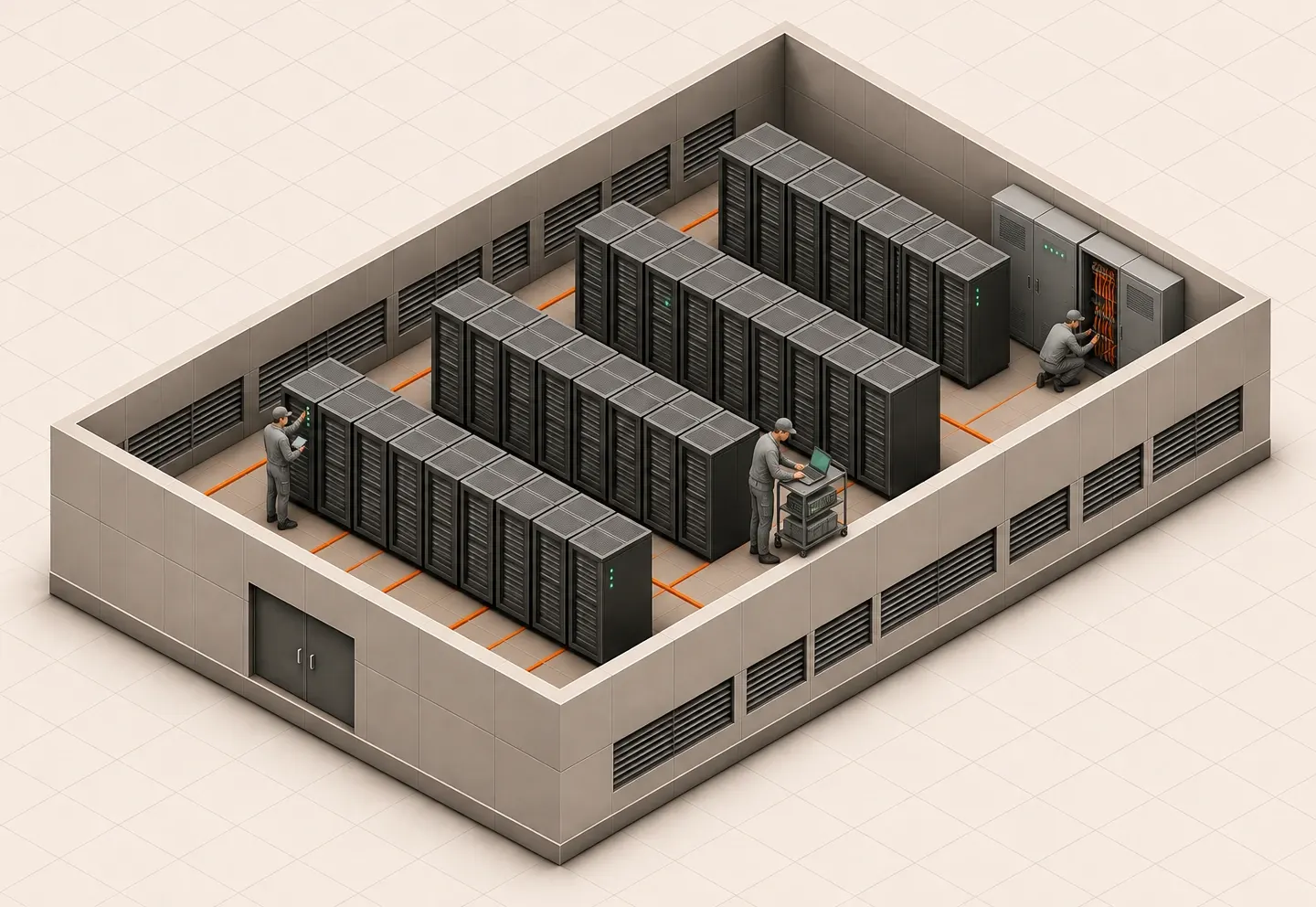
Technicians checking rows of server racks inside a data hall.

11

Lease

Capacity goes to market. Powered land, a powered shell, or longer term compute for an AI or cloud tenant.

Typical duration 2 to 6 months

Key work

  • Match the offer to what was built
  • Term sheet with the tenant
  • Power, space and term written down
  • Conditions tied to the commissioned site

Who is involved

  • AI and cloud tenants
  • Our leasing team

Stage result

Capacity leased on agreed terms

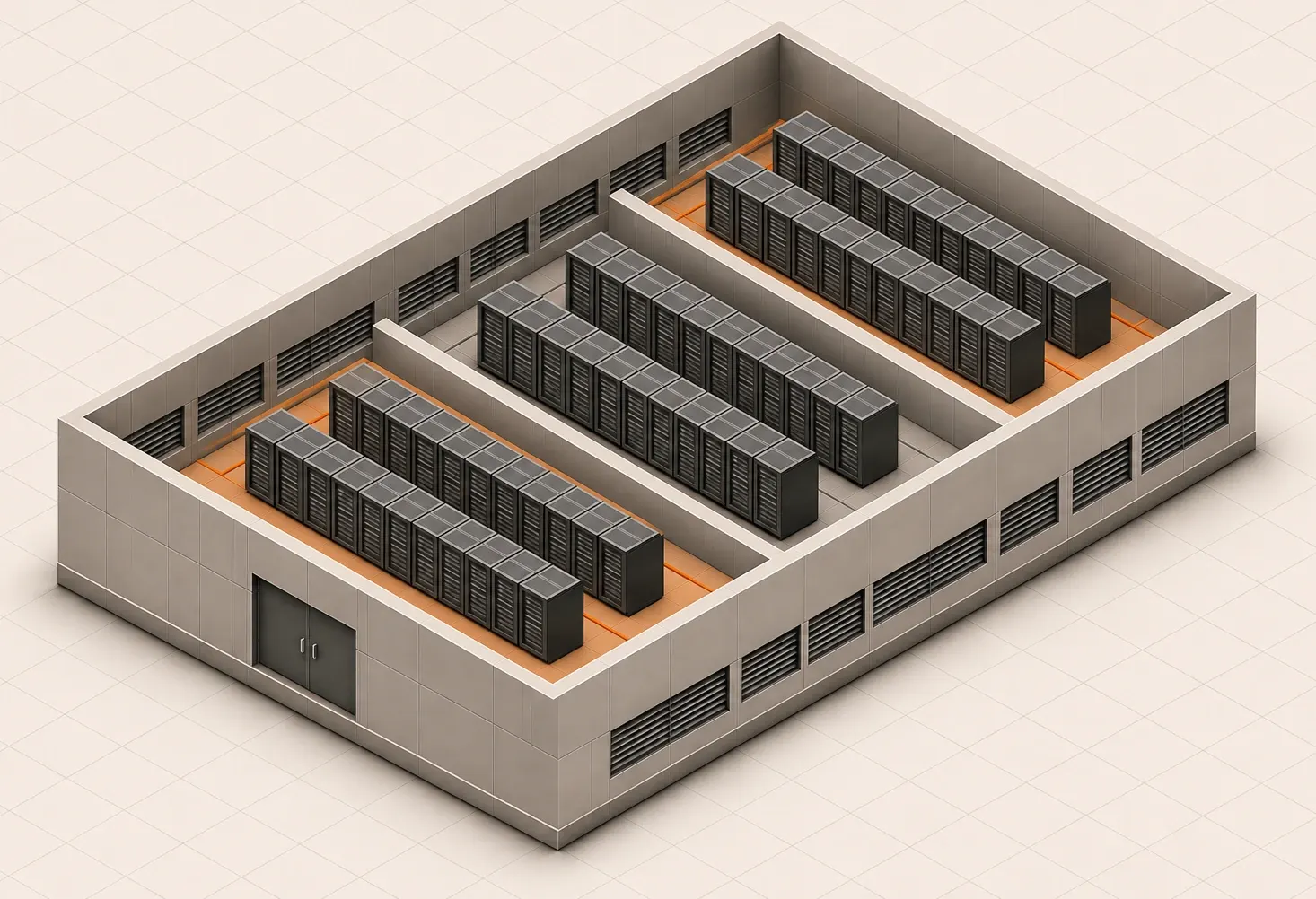
A data hall split into sections, each filled with rows of server racks.

12

Operate

The site runs. An operator partner keeps the building and the power commitment, and we stay on the relationship with the tenant.

Typical duration Ongoing

Key work

  • Day to day operations with the operator
  • Power and capacity commitments kept
  • Reporting to investors and the tenant
  • Room for a later phase if power allows

Who is involved

  • Operator partner
  • Tenant
  • Our asset team

Stage result

A site in operation, with power and capacity under contract

A finished data hall with rows of server racks.

Where we and our partners work.

Five markets. One line each. The maps are locators, not a claim about a specific site.

AlbertaEl Salvador
North America and Central America
Europe
Europe
UAE
UAE and the Gulf

Locator maps. Borders are simplified.

01

United States

AI-scale campuses, where a site and its power can be put together.

02

Canada

Alberta: cold air, natural gas, and behind-the-meter generation.

03

Europe

Enterprise and sovereign demand, with tighter power and permitting.

04

El Salvador

A Central American market with a government open to technology investment.

05

UAE and the Gulf

Capital for power and land, and local demand for AI infrastructure.

Latest insights

Notes on land, power and data centers.

Kalba: 400MW on paper. Power decides.

On 19 November 2026 Sharjah approved Kalba's free zone master plan: 285,000 square metres and a 400MW target. Power is still uncommitted.

All insights

Tell us what you are building.

Land, power, a project or capital. Send a short note and we will reply within two business days.

We use this note only to reply. There is no mailing list.